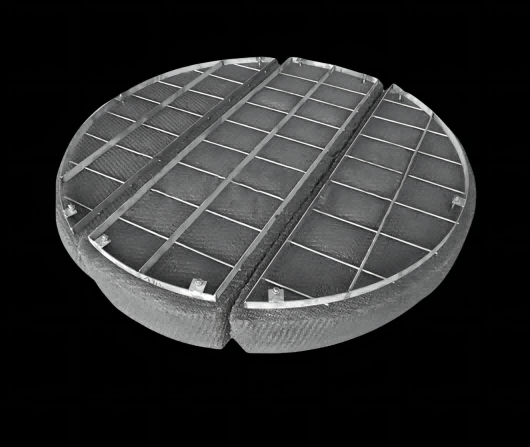

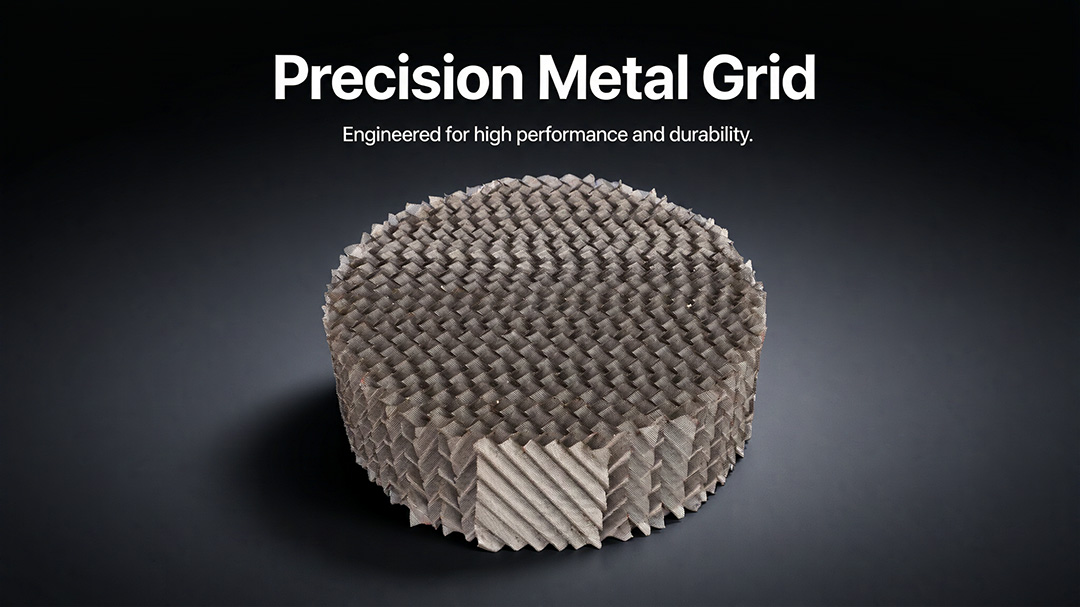
Figure 1: Corrugated wire gauze discs (250AX / 500BX / 700CY) — highest theoretical plates per meter among industrial random & structured packing.
Engineer's Brief: Metal ripple wire mesh packing is a disc-type structured packing made from fine stainless wire gauze, crimped into corrugated sheets and stacked with adjacent layers crossed 90°. Capillary action on the mesh holds a uniform thin liquid film, so mass transfer stays high while gas-path resistance stays low. It is the default choice for vacuum distillation, thermo-sensitive and hard-to-separate mixtures — not for dirty, scaling or heavily fouling service. FXSINO manufactures 125Y–700Y/X discs in SS304/316L/Ti/Hastelloy, cut to tower ID with manway-assembly segments.
"Ripple" = corrugated. "Wire mesh" = woven gauze, not perforated sheet. Two different product families get confused:
Wire mesh version is the "precision instrument" of the two — best when you need stages, not throughput.
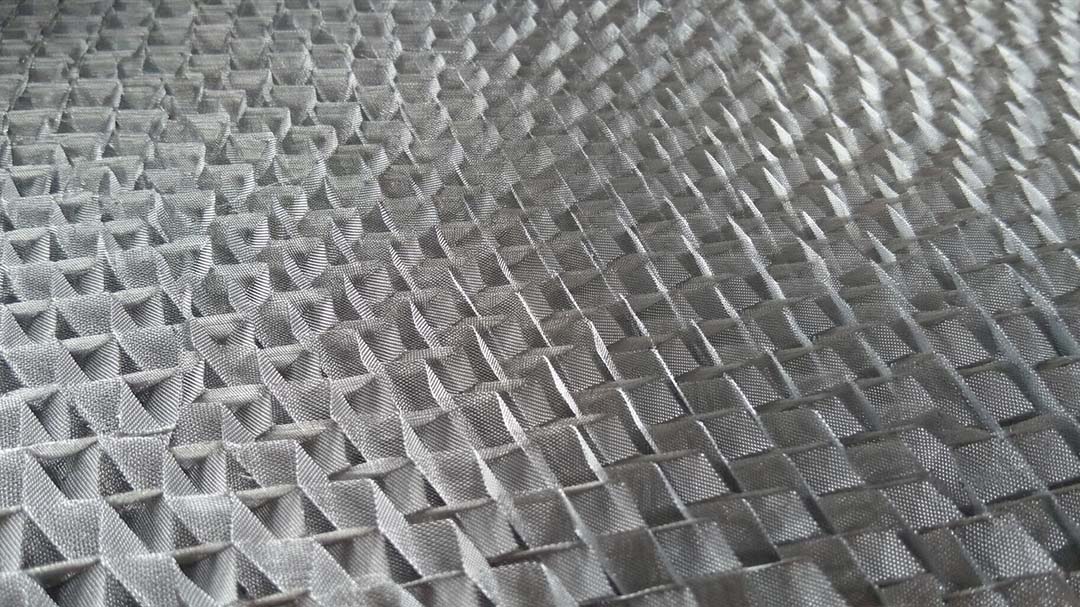
Figure 2: Woven gauze + corrugation — adjacent sheets set at opposite angles; layers crossed 90° in the tower.
| Model | Surface area (m²/m³) |
Void (%) | Angle | Theo. plates (/m) |
HETP (mm) |
Max F-factor |
|---|---|---|---|---|---|---|
| 250 (AX) | 250 | 95–98.5 | 30° | 2.5–3 | 100 | 2.5–3.5 |
| 500 (BX) | 500 | 90–97 | 30° | 4–5 | 200 | 2.0–2.4 |
| 700 (CY) | 700 | 85–96 | 45° | 8–10 | 333–400 | 1.5–2.0 |
Generic reference data (0.12mm wire, SS). X = layers crossed 90°; Y = layers parallel-oriented. HETP/plates vary with system, reflux ratio and distributor quality — replace with FXSINO test values before publication. [5,7,13](@ref)
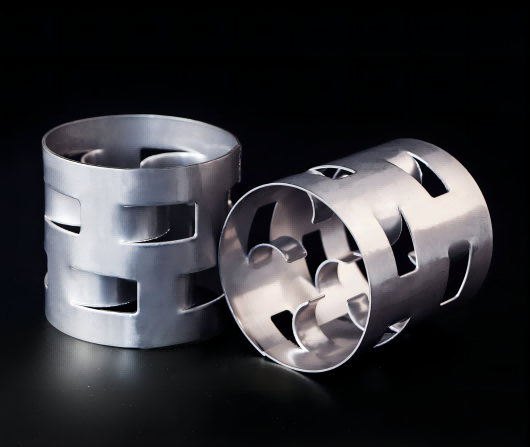
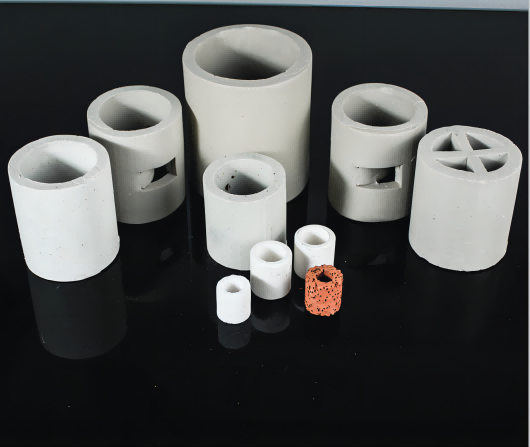
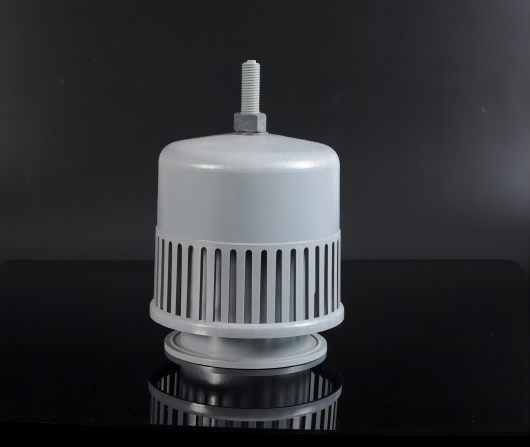
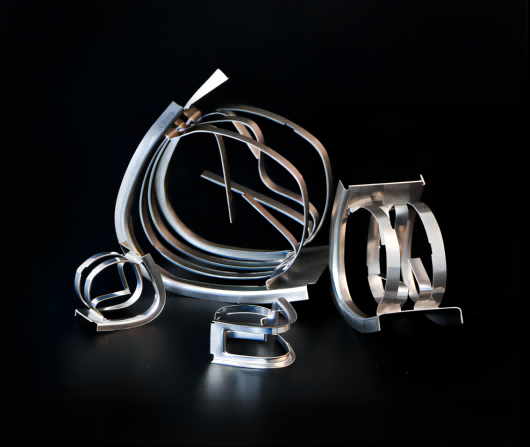
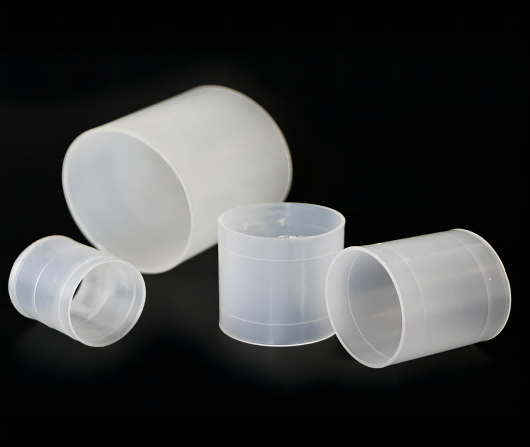
For dirty scrubbers or hot acidic random service, step down to plastic random packing, ceramic Raschig or metal super Raschig.
| Material | Service window | Notes |
|---|---|---|
| SS304 / 304L | Clean organics, mild aqueous | Economy default |
| SS316L | Weak acid, chloride trace | Most common spec |
| 321 / 310S | Higher temp, oxidation risk | Verify max wall temp |
| Titanium Gr.2 | Chloride / wet Cl₂ | Premium, lightweight |
| Hastelloy C / Monel | Aggressive specialty chemicals | Pharma / electronic grade |
Wire Ø 0.10–0.20mm; corrugation height 5–20mm depending on model. [2,4,12](@ref)
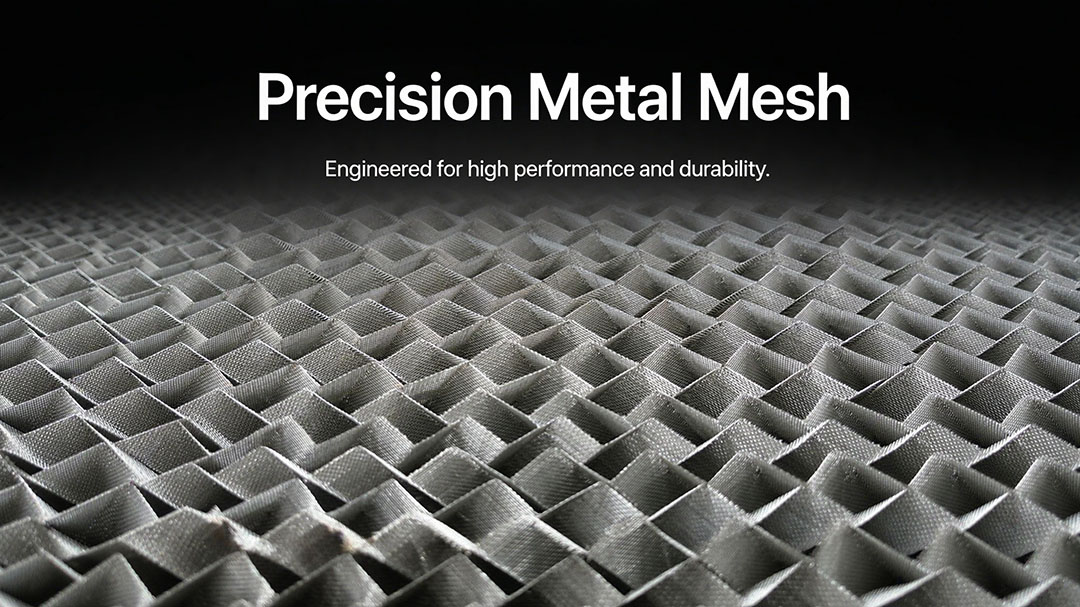
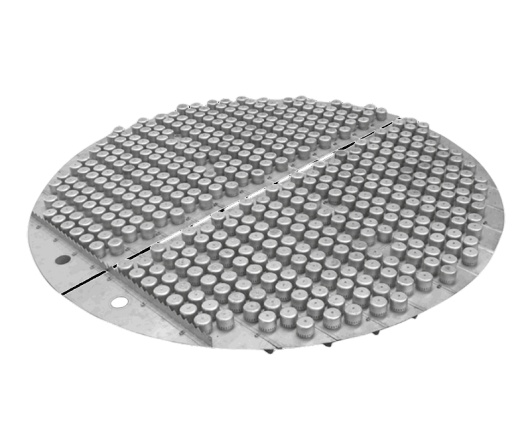
Figure 3: Adjacent discs crossed 90°, diameter slightly under tower ID, wall gap sealed to stop bypass.
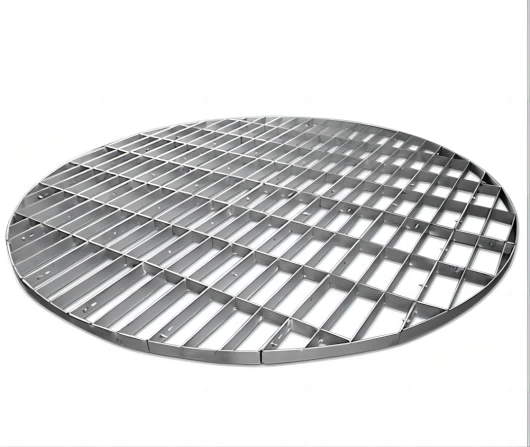
Reference: HG/T 21556 / HG/T 4374 practices; bed limiter only at top, not compression. [1,3,11](@ref)
| Service | Recommended model | Why |
|---|---|---|
| High-vacuum, thermo-sensitive | 500BX | Low ΔP, low hold-up, <7kPa typical |
| Isomer / isotope separation | 700CY | 8–10 plates/m, ultra-fine cut |
| Fine chemical, moderate vacuum | 250AX / 350Y | High capacity, fewer stages |
| Pilot / batch distillation | BX + CY mix | Flexible reflux, fast stabilization |
| Deep bed / tall column | + redistributor per section | Recover wall-flow every 15–20 stages |
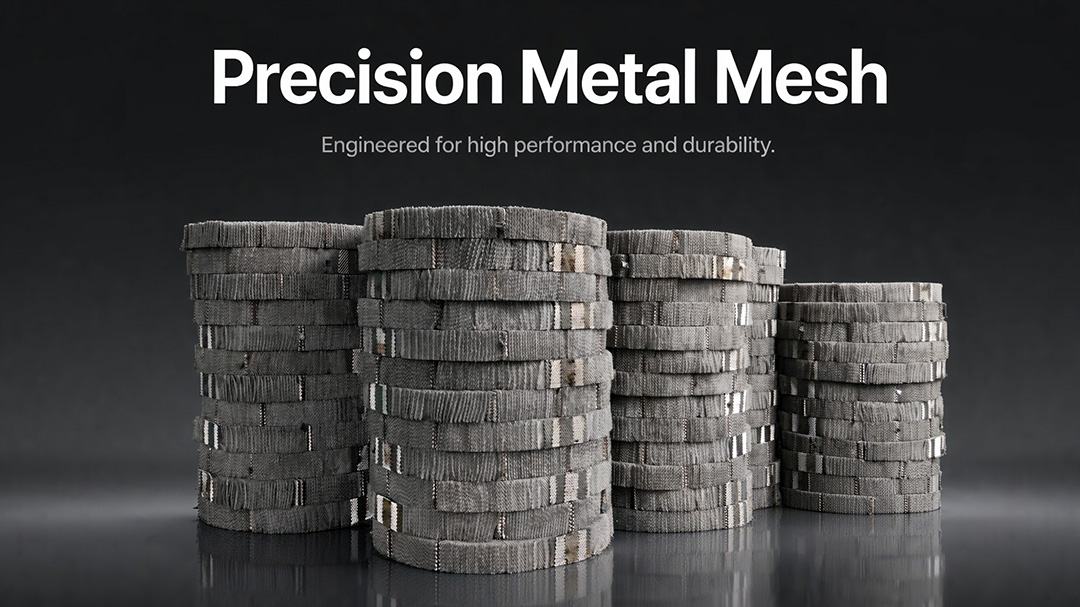
Figure 4: Finished disc — crimp uniformity and edge banding decide long-term stability; inspect before shipping.
Q: BX vs CY — which do I pick?
A: BX for general vacuum and throughput-sensitive runs; CY when you need maximum stages in a short bed (isomers, high-purity solvents). CY has higher ΔP per plate, so don't over-specify it for high-capacity columns.
Q: Can wire mesh packing be washed or decoked?
A: Light soluble fouling can be solvent-flushed, but polymer/coke on thin wire usually means replacement. Design with inlet filtration and pre-flash to protect the bed.
Q: How many stages can one tower section give?
A: A 1m bed of 500BX ≈ 4–5 theoretical plates; 700CY ≈ 8–10. Real column efficiency also depends on distributor DQ and wall sealing — send reflux ratio and target purity for a proper stage count.
FXSINO is a manufacturer of metal wire mesh structured packing and tower internals — 250AX/500BX/700CY discs, custom alloys, manway-segment fabrication, plus distributors, support grids, bed limiters and redistributors. Send tower ID, service fluid, pressure and target stages — we return model, bed height and hydraulic check.
Email: jackieqiu9202@gmail.com | +86 18507999558
 Adresse
: Intersection of Jinguang Avenue and Chongqing Middle Road, Anyuan Industrial Park, Anyuan District, Pingxiang City, Jiangxi
 Tel
: +86-18507999558
 Email
: sales@fxsino.com
 WhatsApp
:
+86-18507999558
 IPv6-Netzwerk unterstützt
Seitenverzeichnis
| XML | Blog
| Datenschutzrichtlinie