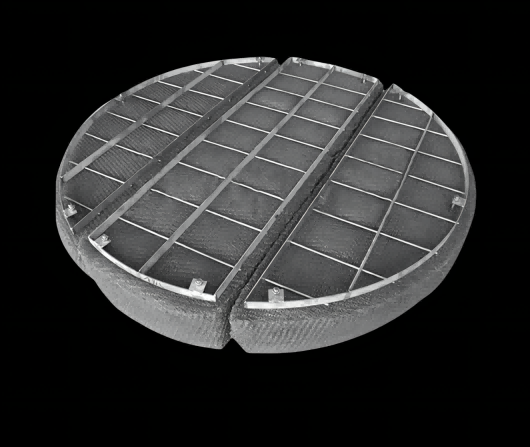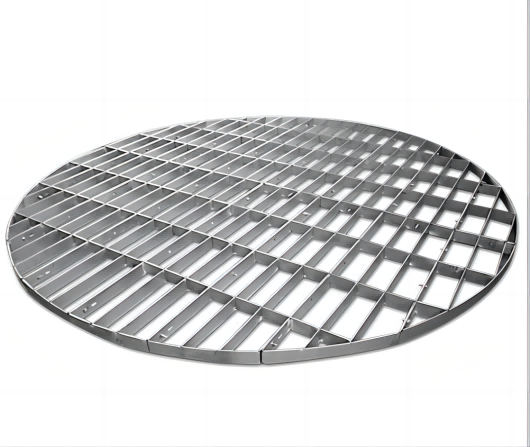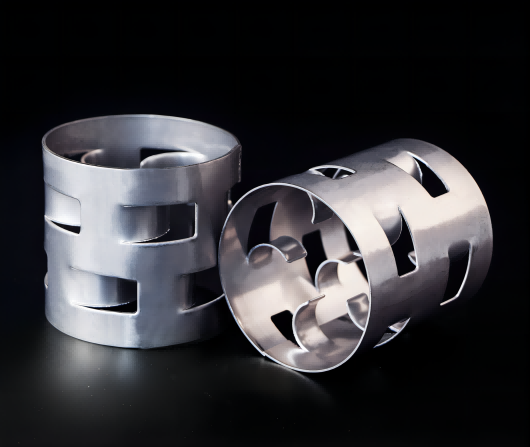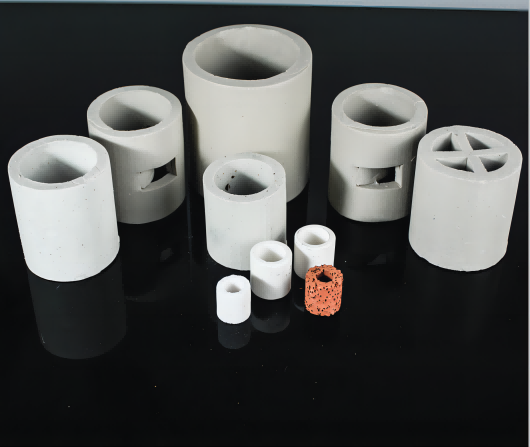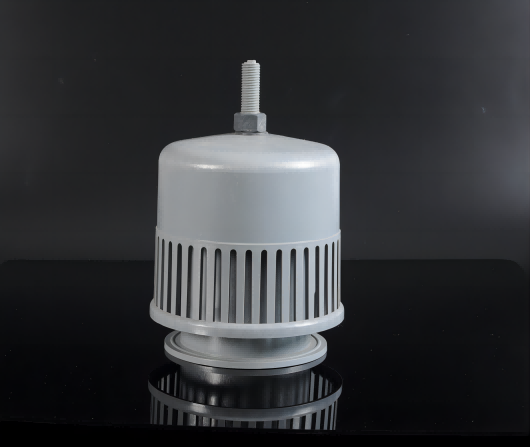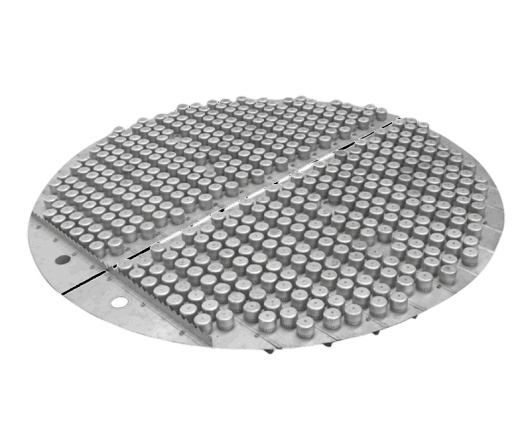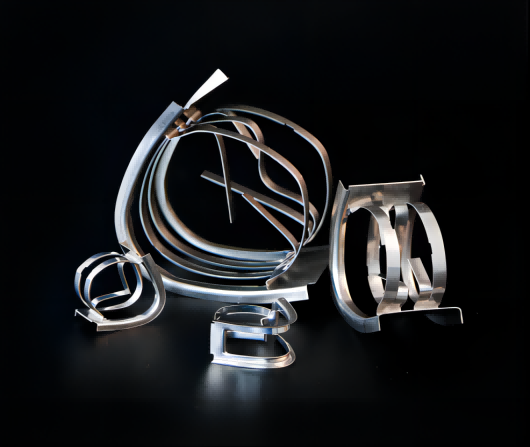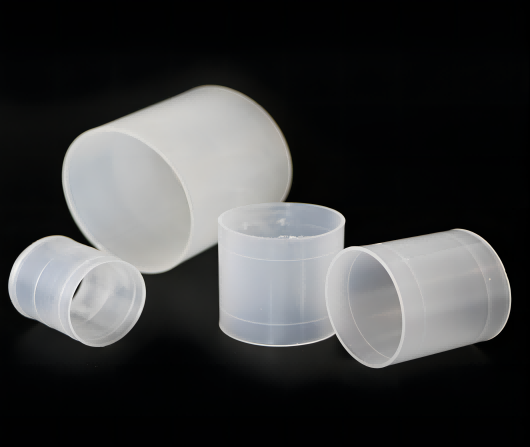

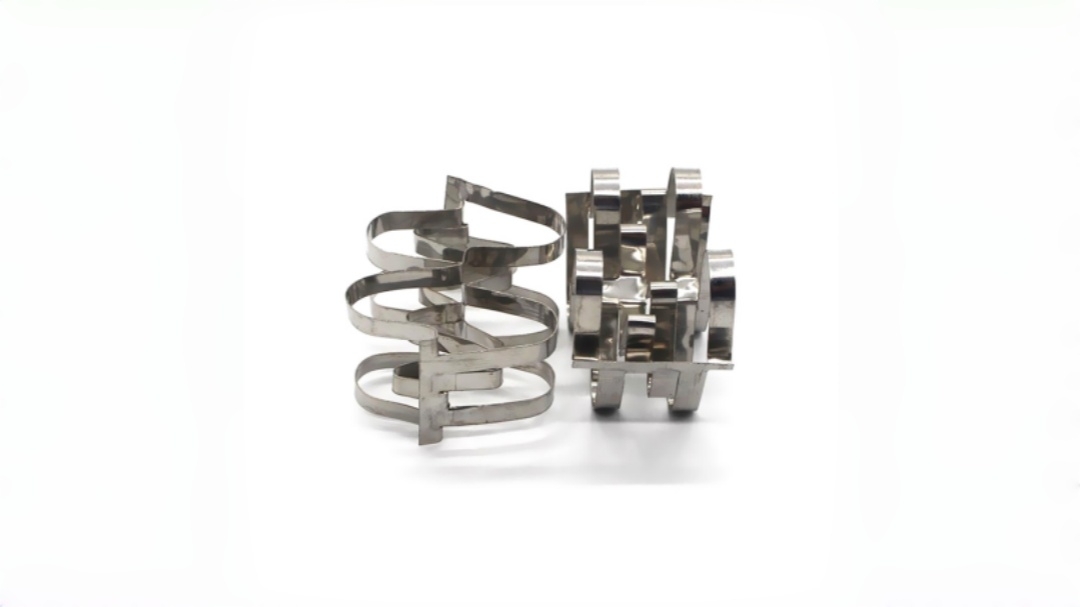
Abbildung 1: Die mehrlappige Konstruktion verhindert ein Verschachteln und verbessert die strukturelle Integrität.
Der Super Raschig Ring ist nicht nur eine schrittweise Verbesserung – es ist eine geometrische Revolution. Durch das Hinzufügen von internen Fenstern, Versteifungsrippen und einer mehrlappigen Peripherie löst diese Packung die altbekannten Probleme der Verschachtelung und ungleichmäßigen Flüssigkeitsverteilung, die bei herkömmlichen Raschig-Ringen auftreten. Sie bietet überlegene Leistung in Katalysatorträger, Sauergaswäsche und Hochtemperaturverbrennung.
Dieser Leitfaden behandelt die technischen Vorteile und die wichtigsten Handhabungsvorschriften für Super-Raschig-Ringe.
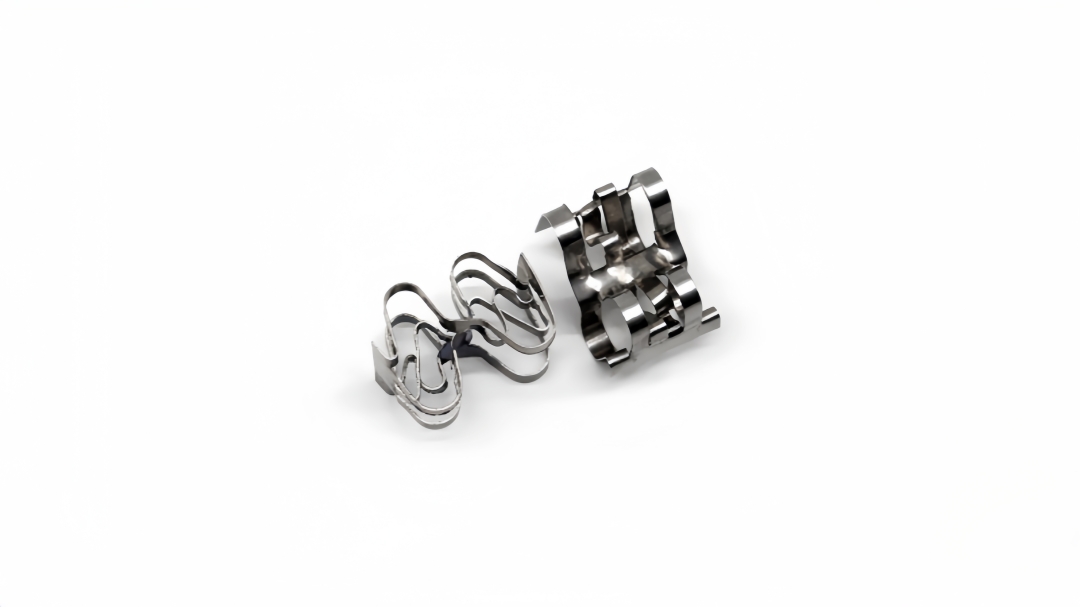
Die Weiterentwicklung vom Standard- zum Super-Raschig-Ring zielt darauf ab, den Porenanteil zu maximieren und gleichzeitig die strukturelle Festigkeit zu erhalten. Hier der Vergleich:
| Besonderheit | Super Raschig Ring | Standard Raschig Ring | Beste Anwendung |
|---|---|---|---|
| Verschachtelungstendenz | Keine (Anti-Nesting) | Hoch (Leicht stapelbar) | Super für zufällige Betten |
| Mechanische Festigkeit | Sehr hoch (gerippt) | Mäßig | Ideal für tiefe Betten |
| Druckabfall | Niedrig | Höher | Hervorragend geeignet für Lüfter/Kompressoren |
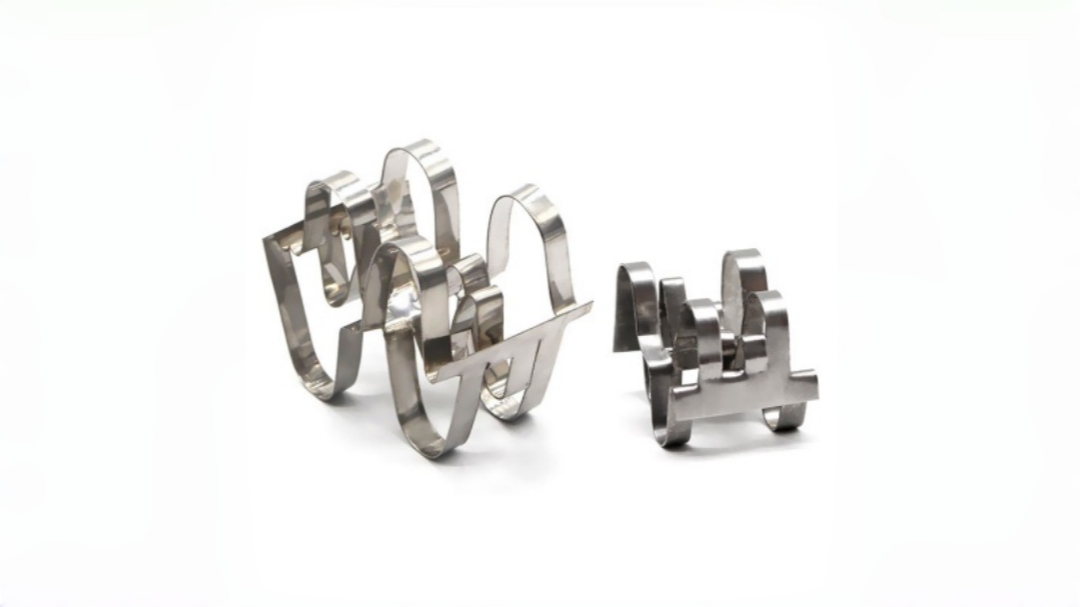
Obwohl die zufällige Packung im Allgemeinen keine Rolle für die Ausrichtung spielt, erzielen die inneren Rippen des Super Raschig Rings die besten Ergebnisse, wenn sie sich auf natürliche Weise setzen können. Ein gewaltsames Einpassen oder das Einblasen mit starker Luftgeschwindigkeit kann dazu führen, dass sie sich verhaken. Um maximale Zufälligkeit zu gewährleisten, lassen Sie die Ringe sanft in den Turm fallen.
In regenerativen thermischen Oxidationsanlagen (RTO) oder Hochtemperatur-Wäschern dehnen sich die Rippen aus. Ist die Packung zu dicht, kann sich die Wärme nicht ausdehnen. Lassen Sie am oberen Rand des Bettes einen Freibord von 5-10%, um eine Ausdehnung zu ermöglichen und ein Zusammendrücken des Stützgitters zu verhindern.
Neue Keramikdichtungsringe weisen häufig Produktionsstaub auf. Bei Verwendung mit Schwefel- oder Phosphorsäure kann dieser Staub einen Schlamm bilden, der die Dichtung verstopft. Vor dem Beladen die Packung mit sauberem Wasser vorwaschen, um alle Keramikpartikel zu entfernen.
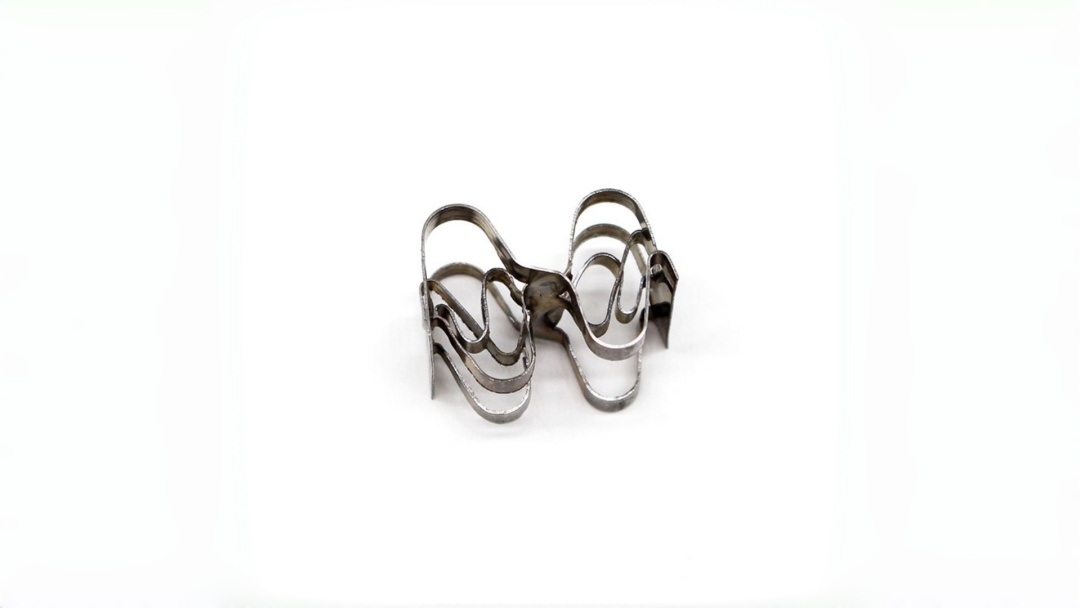
FXSINO Wir fertigen präzisionsgeformte Super-Raschig-Ringe für extrem aggressive chemische Umgebungen. Senden Sie uns Ihre Turmabmessungen für eine Berechnung des Füllkörpervolumens.
Kontakt FXSINO: [[jackieqiu9202@gmail.com]] | [[18507999558]]
© 2026 Jiangxi FXSINO Mass Transfer Technology Co., Ltd. Alle Rechte vorbehalten.
 Adresse
: Intersection of Jinguang Avenue and Chongqing Middle Road, Anyuan Industrial Park, Anyuan District, Pingxiang City, Jiangxi
Adresse
: Intersection of Jinguang Avenue and Chongqing Middle Road, Anyuan Industrial Park, Anyuan District, Pingxiang City, Jiangxi Tel
: +86-18507999558
Tel
: +86-18507999558 Email
: sales@fxsino.com
Email
: sales@fxsino.com WhatsApp
:
+86-18507999558
WhatsApp
:
+86-18507999558 IPv6-Netzwerk unterstützt
Seitenverzeichnis
| XML | Blog
| Datenschutzrichtlinie
IPv6-Netzwerk unterstützt
Seitenverzeichnis
| XML | Blog
| Datenschutzrichtlinie