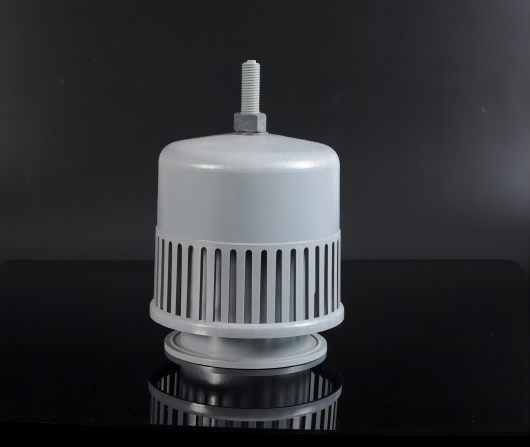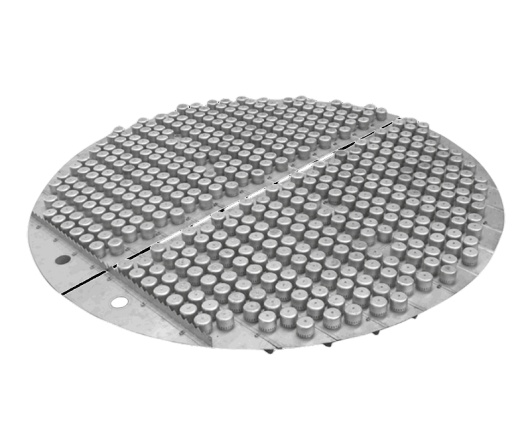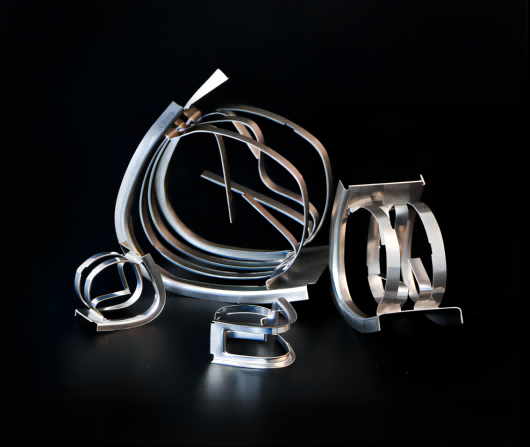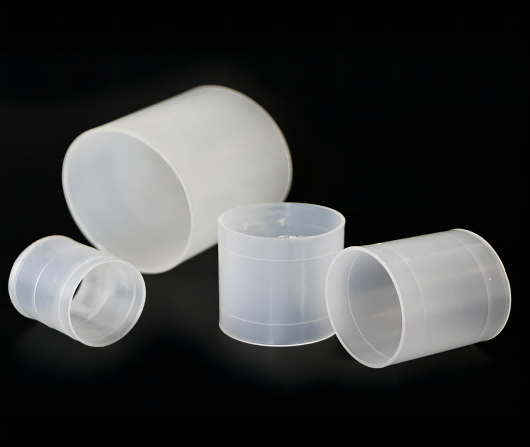

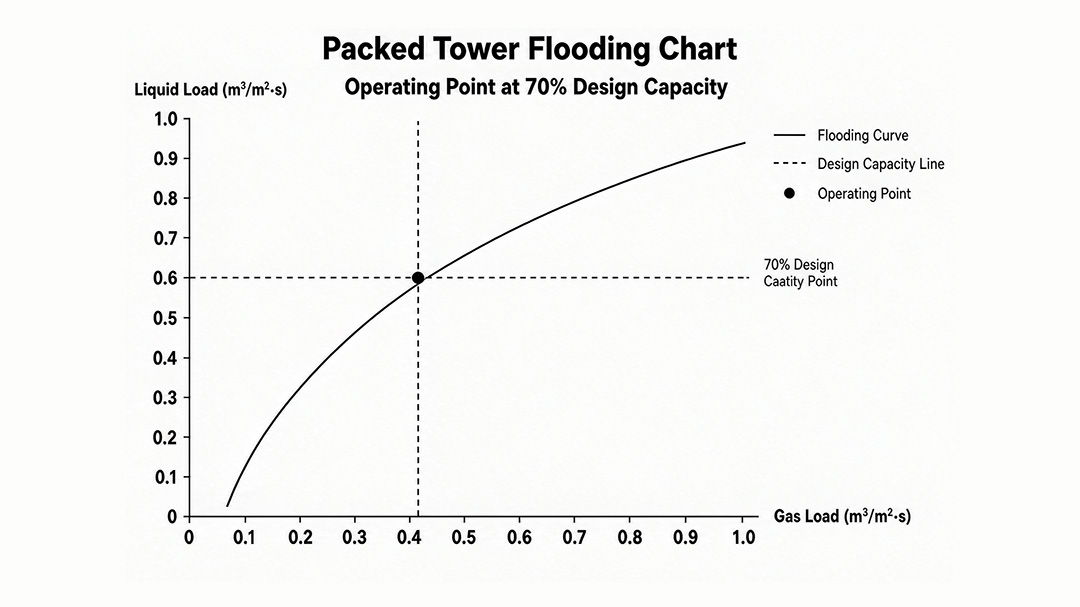
Figure 1: When the operating point drifts toward the flood curve at only 70% of design capacity, the cause is usually upstream — not the packing itself.
If your tower was designed for 100% throughput but starts packed column flooding at 70% — or less — the packing is rarely the culprit. Random or structured, metal or ceramic, no packing spontaneously loses 30% of its flood capacity in service. Something changed around it: the distributor, the support, the bed condition, or the way the column is being run. This article walks through the five hidden causes of premature flooding and how to fix each one without ordering a new shell.
Engineer's Brief: Flooding is a hydraulic event, not a packing failure. Before you blame the bed or authorize a retrofit, check the distributor level, the support-grid opening, the bed height, and whether the liquid rate has crept up. Most "capacity loss" is really a pressure-drop problem in disguise — and pressure drop is fixable.
| # | Cause | What you see | The fix |
|---|---|---|---|
| 1 | Distributor maldistribution | Dry spots, channeling, ΔP climbs early, efficiency drops | Re-level, clean orifices, verify drip points. See the distributor troubleshooting guide. |
| 2 | Support grid blockage | High ΔP at low load, pressure builds from the bottom up | Open the tower, vacuum out debris, verify free area ≥ packing cross-section. Check for ceramic fragments from transit. |
| 3 | Packing degradation / nesting | Bed settled, void fraction dropped, ΔP higher than design | Sample the bed. Replace crushed/nested fraction. Verify bed height hasn't exceeded design. |
| 4 | Liquid rate above turndown max | Floods at low F-factor, weeping/distributor overflow | Check actual L/G ratio. Re-run the pressure drop calculation at current operating envelope. |
| 5 | Foaming / entrainment | Carry-over, mist, ΔP spikes unpredictably | Add defoamer, lower superficial velocity, install mist eliminator above the bed. |
Causes ranked by frequency in field troubleshooting. Distribution and support issues account for the majority of "mystery flooding" cases.
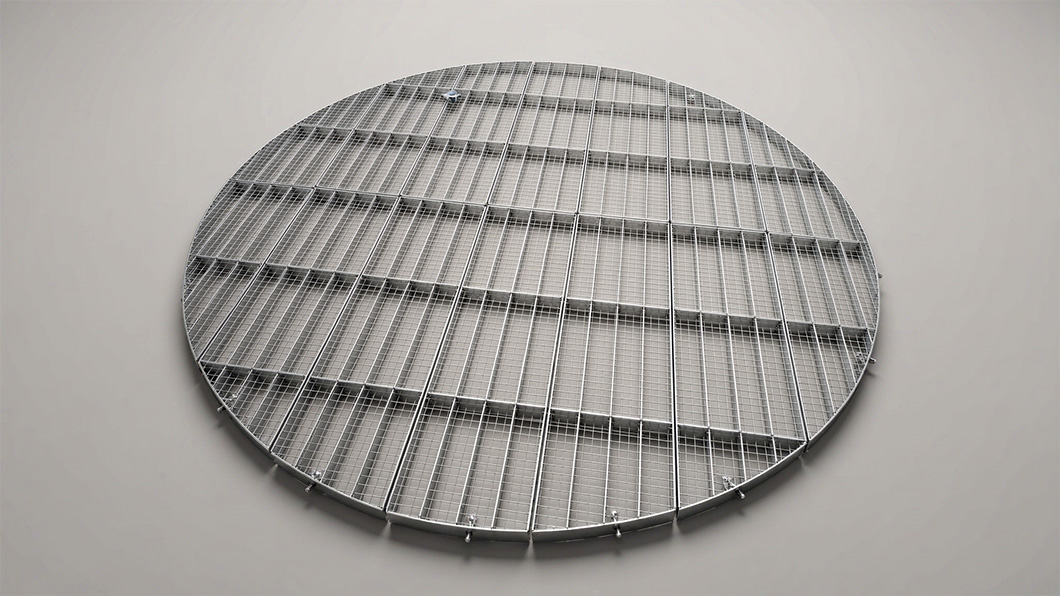
Figure 2: The two most common flood triggers — a distributor that's out of level and a support grid partially blocked by packing fragments.
Step 1 — Plot the operating point: From DCS data, pull F-factor and L/G over the last 30 days. Compare to the original design envelope. If you're running above the design L/G, flooding isn't mysterious — you're overloading the bed.
Step 2 — Check ΔP profile: Is the pressure drop high across the whole bed (uniform blockage) or spiking at the bottom (support restriction) or top (distributor backup)? The location tells you where to look first.
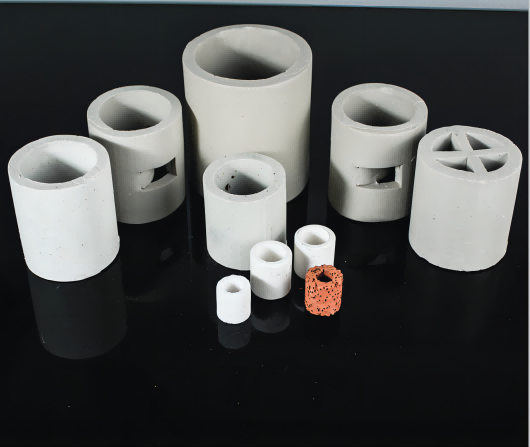
Step 3 — Review turnaround history: Was the packing topped up last shutdown? Was the distributor re-leveled? Were ceramic rings screened for breakage after delivery? A shipping-damage event six months ago can silently fill the support grid with fines.
Step 4 — Run a water test: With the column open, flow water through the distributor at operating rate. If the spray pattern is uneven before you even see the packing, you've found cause #1.
Step 5 — Sample and measure: Pull packing from top, middle, bottom. Check for crushing, nesting, wall thinning (plastic), or scale. Measure bed height against the original mark.
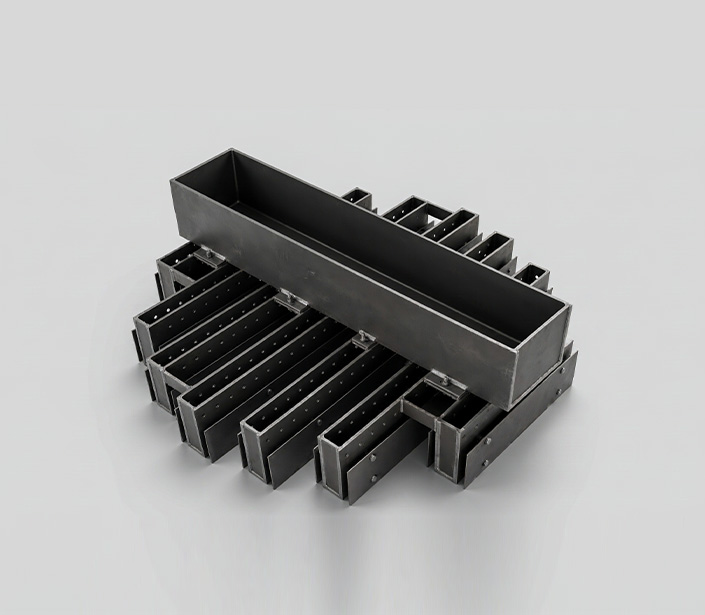
Re-leveling a distributor and cleaning orifices costs labor only. In many plants, this alone recovers 15–25% of the lost capacity. If the tray is damaged or undersized, replace it — but don't upgrade the packing until the distributor is proven good.
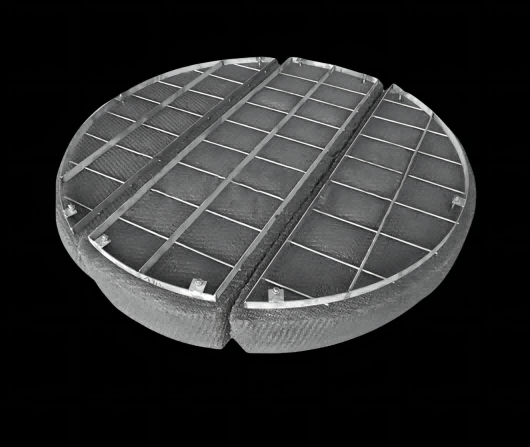
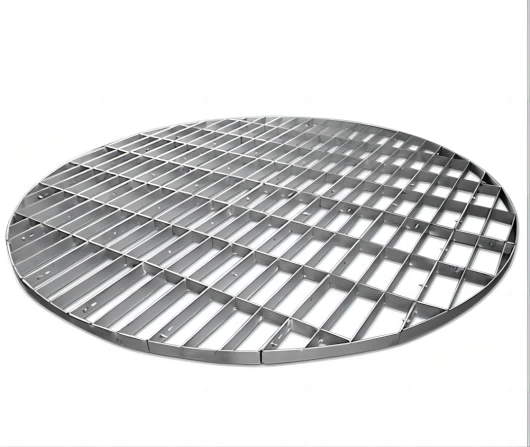
Vacuum out debris, broken ceramic, polymer scale, and packing fragments. Verify the free area matches the original design. If the grid itself is corroded or deformed, replace it with a camel-hump support grid that won't trap solids.
You rarely need to replace the entire bed. Sample, identify the degraded zone (usually the bottom 1–2 m where load is highest), and replace only that section. Top up with the same nominal size — mixing sizes creates unpredictable hydraulics.
If the bed is tall (>5 m) and maldistribution builds up over height, adding a redistributor at the mid-point can recover capacity without changing the packing or the shell.
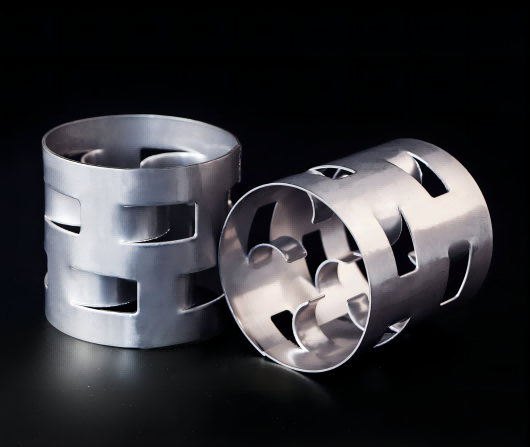
Only after the above are exhausted should you consider changing packing geometry. A Super Raschig ring or larger-size saddle can lower ΔP at the same capacity — but it won't fix a broken distributor.
Q1: Can I just add more packing to fix the efficiency loss?
A: No — adding packing raises the bed height, which raises ΔP, which pushes you closer to flood. If you're already flooding at 70%, adding packing makes it worse. Fix the hydraulic restriction first.
Q2: How do I tell if it's foaming vs true flooding?
A: Foaming causes ΔP to spike erratically and creates visible carry-over at the top. True flooding builds ΔP steadily as load increases. A quick test: add a defoamer. If ΔP drops, it was foam, not flood.
Q3: Is 70% capacity always a problem worth fixing?
A: Not always. If the column was over-designed and you only need 70%, leave it alone. But if you need the full 100% and can't get it, the five causes above are where to look. Don't accept "that's just how this tower runs" without checking.
FXSINO supplies Super Raschig rings, distributors, support grids and bed limiters. Send your tower datasheet, operating envelope and symptom description — we'll return a diagnosis checklist and a retrofit proposal that targets the real bottleneck, not just the packing.
Email: jackieqiu9202@gmail.com | +86 18507999558
 Adresse
: Intersection of Jinguang Avenue and Chongqing Middle Road, Anyuan Industrial Park, Anyuan District, Pingxiang City, Jiangxi
 Tel
: +86-18507999558
 Email
: sales@fxsino.com
 WhatsApp
:
+86-18507999558
 IPv6-Netzwerk unterstützt
Seitenverzeichnis
| XML | Blog
| Datenschutzrichtlinie